
A photo of a mysterious object recently sparked a flurry of comments on social media: everyone swore they'd seen it somewhere before, without being able to put a name to it. Some imagined it was a kitchen utensil, others a DIY tool, and still others a rather strange decorative item. But what if this little mystery was actually hiding one of our shoes' most discreet allies?
An everyday object that became a viral enigma

The revelation surprised everyone: it was simply a shoehorn. We sometimes use them without even thinking about it, but as soon as we look at them out of context, they become unrecognizable. It just goes to show that even the simplest objects can become real visual puzzles .
But what is a shoehorn really used for?
see continuation on next page
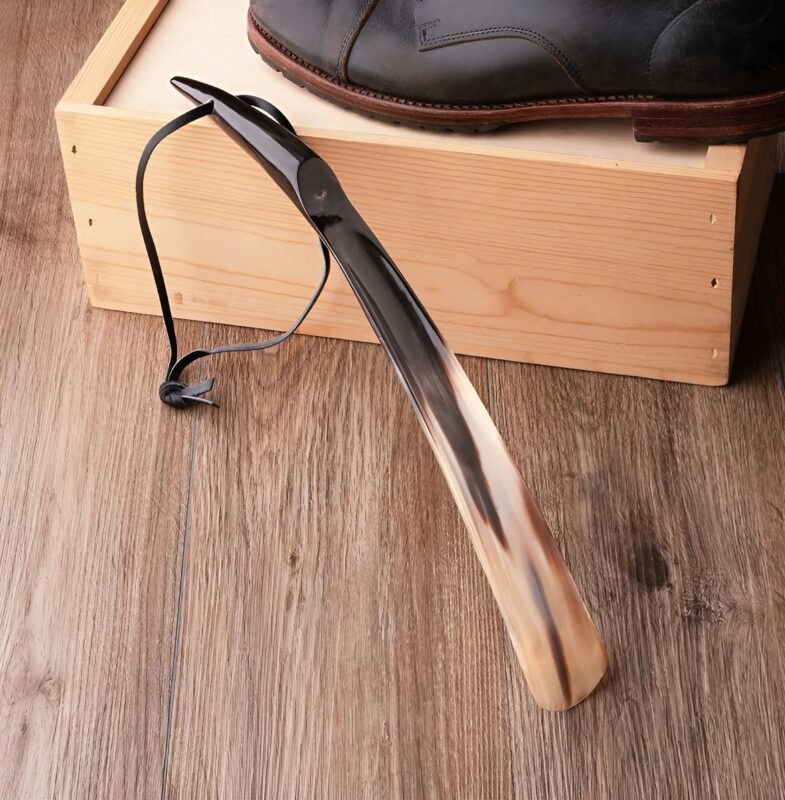
If you've ever tried to force a shoe into a slightly too tight fit by pulling on the heel, you know the problem: rubbing, shoes that lose their shape, runs in your stockings. A shoehorn is precisely designed to prevent this.
It slips into the back of the shoe, against the heel, to gently guide the foot. The result: the foot glides more easily, the back strains less, and the shoe retains its shape longer. A simple but effective little trick, especially when you regularly wear closed or rigid shoes.
From animal horns to modern materials
The history of the shoehorn dates back to the 15th century. At that time, it was made from whatever materials were available: animal horns, bones, and hardwoods. No fancy designs, just common sense: a robust, smooth tool was needed that was easy to insert between the foot and the shoe.
Over time, the object has evolved. The Industrial Revolution saw the emergence of models made of metal, brass, or steel, which were much more durable. Later, plastics made it possible to produce lightweight, colorful, and affordable shoehorns. Some refined models, made of silver and finely decorated, have even become collector's items.
The different types of shoehorns today

Today, the selection is varied. Short models, usually made of plastic or metal, easily slip into a bag or entryway drawer: perfect for those who put on their shoes in a hurry in the morning.
Long shoehorns, sometimes reaching up to the knee, are particularly useful for those who want to protect their back or who have difficulty bending over. They allow you to put on your shoes standing up, effortlessly. Designer versions are also available, in varnished wood or brushed metal, ideal for blending harmoniously into a dressing room or entryway.
Choosing and adopting this little ally
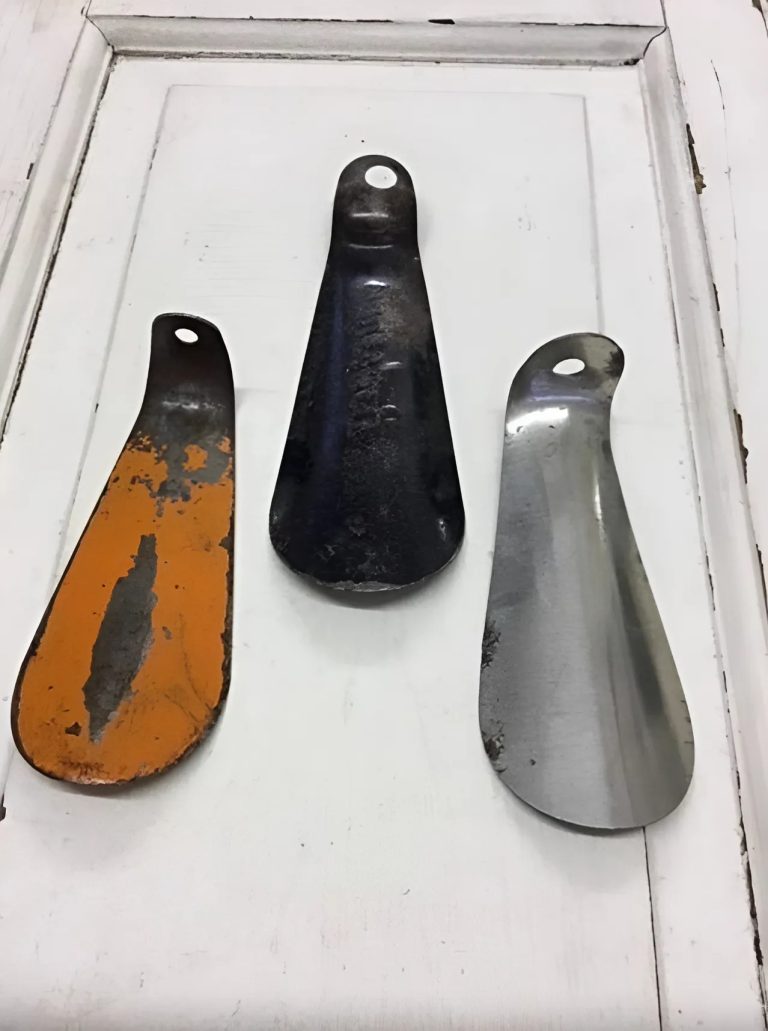
Choosing the right shoehorn depends entirely on how you'll use it. If you travel frequently, a short, lightweight model that fits easily in your suitcase will be perfect. For everyday use, opt for a long, sturdy one. Make sure the surface is smooth to avoid damaging your socks, and that the handle is comfortable.
Then, simply integrate it into your routine: placed near the door, in the closet, or in the shoe cabinet, it will save you from many a battle with your favorite heels or sneakers. Proof that a simple object can become an everyday essential .


.jpg)


.jpg)

0 commentaires:
Enregistrer un commentaire