
You discover a small, dark object on your sofa and start to worry? Don't panic: these finds are common and, in most cases, completely harmless.
You lift a cushion, a simple, almost automatic gesture… and there it is: a small, dark object, wedged in a crack. Your heart races, your imagination runs wild. What if it's something worrisome? Before you panic, know that these discoveries are much more common—and reassuring—than you might think. Behind these "sofa mysteries" often lie surprisingly simple explanations…
Strange object on the sofa: why do we imagine the worst?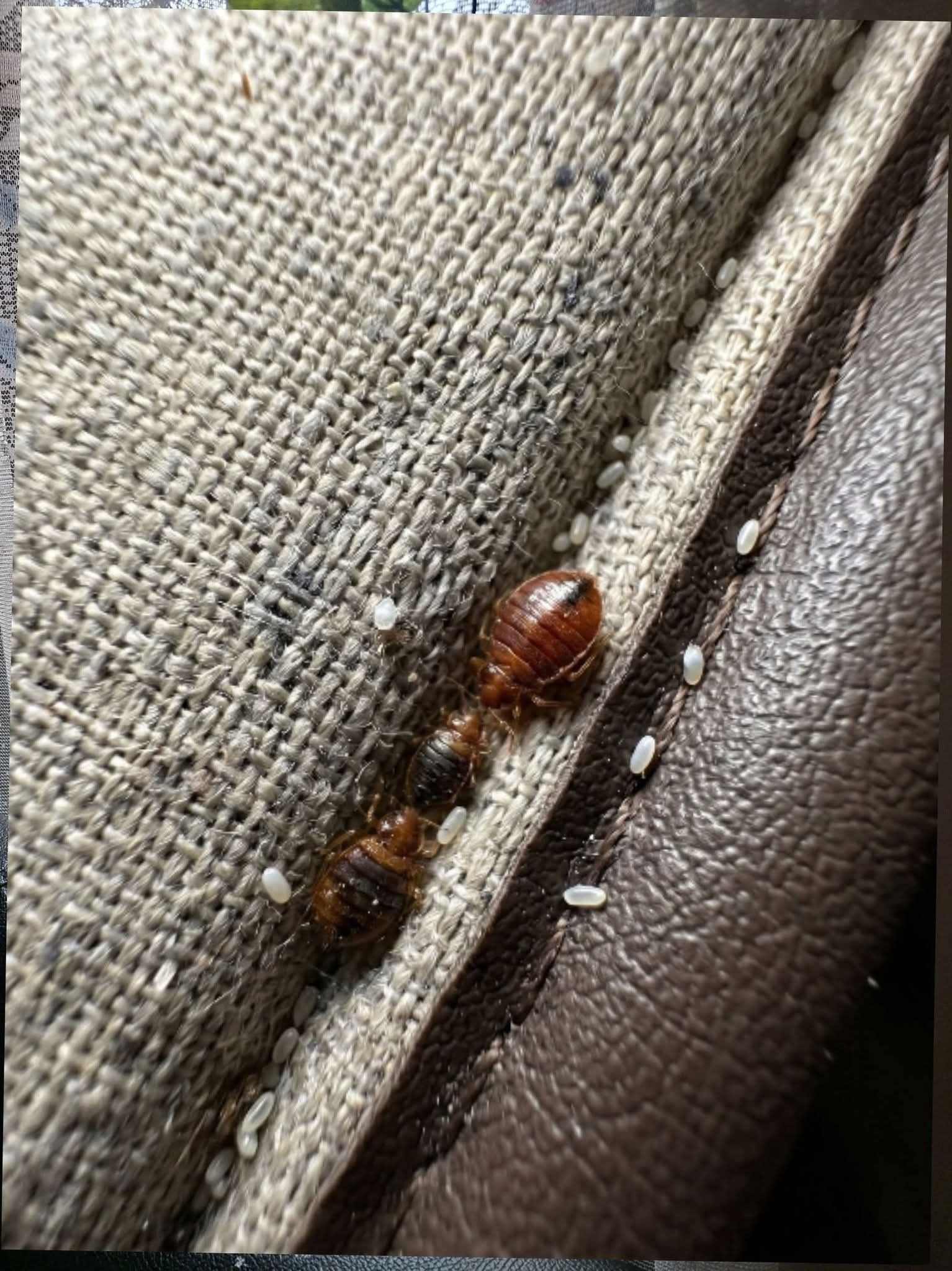
When faced with an unusual shape, our brain tends to overreact. It's an instinctive reflex: anything out of the ordinary triggers an internal alarm.
Irregular, dark, or segmented shapes unconsciously remind us of natural elements we prefer to avoid. As a result, even a simple residue can seem suspicious. Add to that the fact that our home is perceived as a clean and secure haven, and the slightest "intruder" quickly becomes a source of worry.
But in the vast majority of cases, there's no reason to panic.
The Most Common Guilty Plots
Before imagining the worst-case scenario, it's best to consider the most likely—and often the most mundane—options.
First suspect: false eyelashes. When they come loose and mix with dust and mascara, they can form a small, dark, irregular mass. Tucked into a corner, they become unrecognizable.
Another possibility: cosmetic residue. Waterproof makeup, in particular, has the ability to clump together with fibers and harden, creating surprising shapes.
We also think of small plant elements: a piece of dried bark, a bit of potpourri residue, or a crumb from a natural product. With moisture and then drying, their appearance can change completely.
Finally, forgotten everyday objects—a piece of plastic, a fragment of a pet toy, or an old adhesive residue—can also evolve over time.
When objects “transform” at home
What’s fascinating is that our environment is constantly evolving, even without us realizing it.
Between humidity, heat, and wear and tear, some materials change their appearance. A simple residue can become crumbly, deform, or accumulate dust, eventually taking on an almost “organic” look.
It’s a form of domestic transformation: nothing really moves, but everything evolves slowly.
How to check without panicking? Good news: there are a few simple steps to quickly identify what you've found.
Start by observing it in natural light. Reflections, texture, or transparency often provide valuable clues.
Add a drop of water: if the object softens or releases color, it's probably product residue.
You can also rely on the smell. A cosmetic or lightly perfumed scent is generally a good sign.
Finally, observe the surroundings: a similar object or a complementary trace is often nearby.
Common sense above all.
Our grandmothers had a simple and effective approach. Their rule? Don't complicate what can be obvious.
A stationary object, without any change, is almost always harmless. Before imagining a thousand hypotheses, it's best to examine it calmly... then take simple action.
A cloth, a little water, and the mystery quickly disappears.
And what if we stopped scaring ourselves?
These little discoveries are part of everyday life. They simply tell the story of our home: a mix of products, objects, and lived moments.
Rather than seeing them as a threat, why not consider them a reminder that a home is a living space?
The next time you come across a strange object on the sofa, take a breath… and observe it with curiosity rather than concern.
Sometimes, the mystery is just a forgotten detail waiting to be cleaned. A good sofa cleaning routine is often enough to avoid these surprises.


.jpg)

0 commentaires:
Enregistrer un commentaire